Quick answer
Popular Buddha Thangka types are usually compared by figure, gesture, color, surrounding symbols, and use context. A respectful reading separates learning, devotional practice, and display without reducing sacred imagery to luck claims.
- Identify the figure and gesture first.
- Read color and objects in context.
- Choose placement and language that respect sacred art.
Popular Buddha Thangka types are best identified by the central figure, posture, gesture, color, objects, surrounding figures, and use context. A respectful guide explains what viewers can notice without reducing sacred images to luck claims, decor trends, or generic spiritual aesthetics.
Last updated: July 7, 2026.
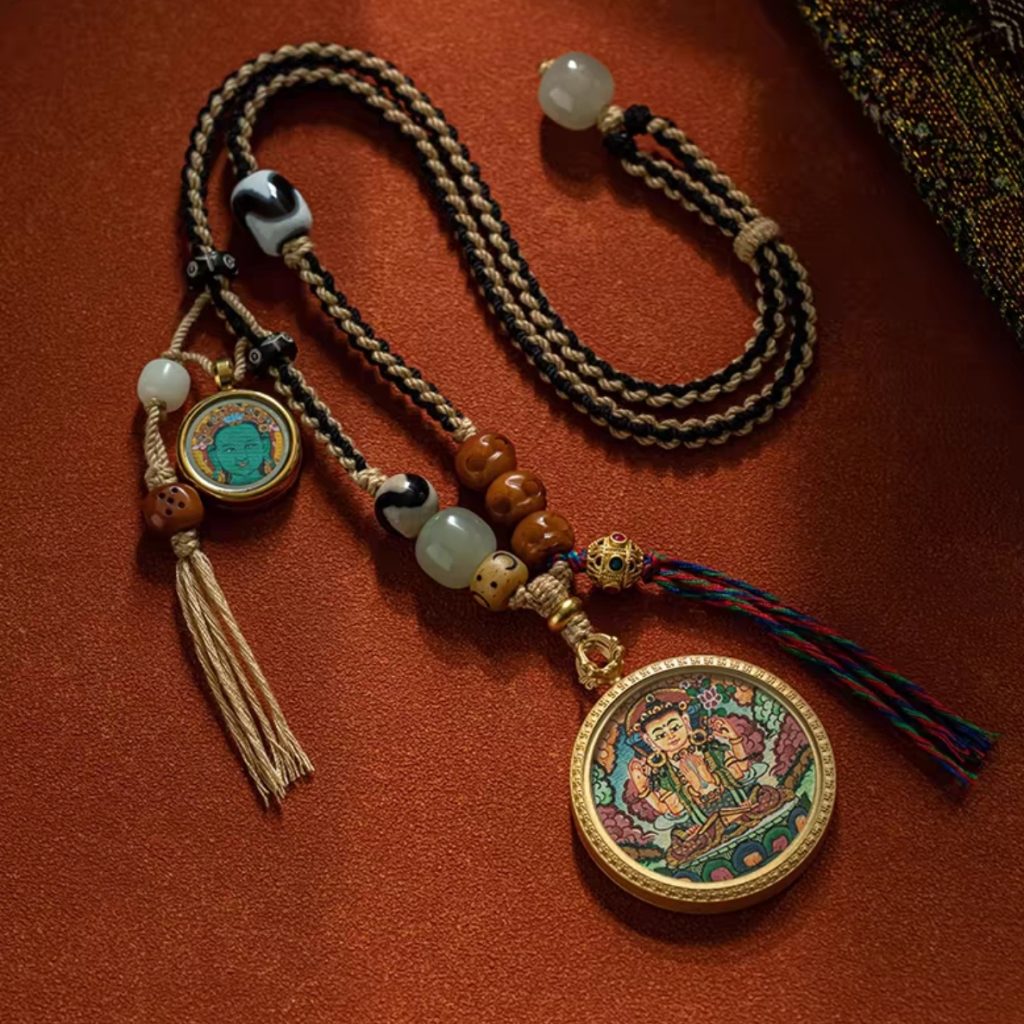
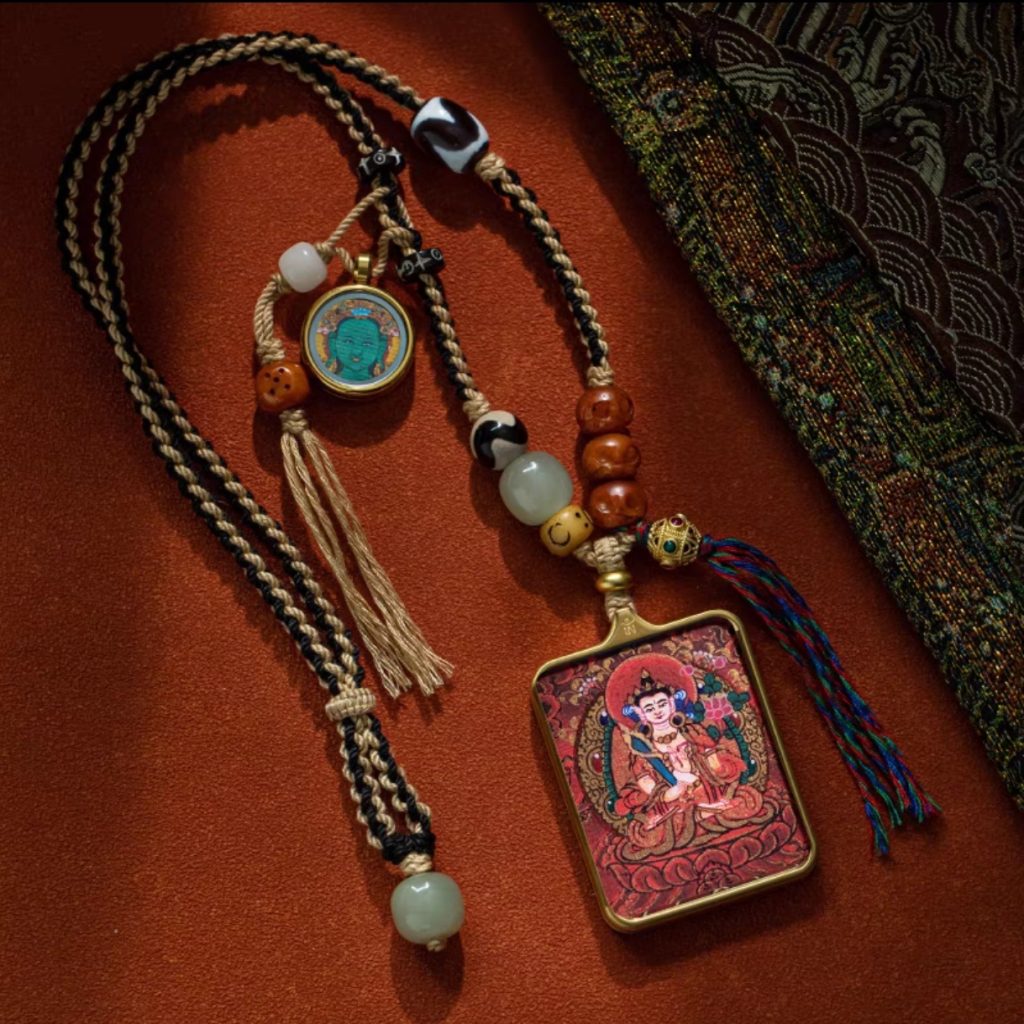
Quick answer
Start by identifying the central figure. Then look at gesture, objects, color, surrounding figures, and whether the image is used for learning, devotion, or display. Medicine Buddha, Green Tara, White Tara, Avalokiteshvara, Manjushri, Guru Rinpoche, and Mahakala are common English-language search subjects, but each needs context.
Key takeaways
- Do not identify a thangka by mood or color alone.
- Peaceful, wrathful, Buddha, bodhisattva, protector, and teacher images are not interchangeable.
- Respectful display means clean placement, context, and avoiding casual exotic decoration.
- Devotional use should follow teacher, lineage, or community guidance rather than a general blog article.
What is a thangka?
The Asian Art Museum’s thangka resource describes thangkas as sacred pictures that can be rolled up and used in Tibetan religious contexts. The Rubin Museum’s thangka process guide also emphasizes that thangka painting is a rigorous process using prepared cloth or silk and mineral pigments. This matters because a thangka is not just “wall art.”
Identify the figure before naming the meaning
| Step | What to inspect | Why it matters |
|---|---|---|
| Central figure | Name, posture, body color, expression | Prevents guessing from background mood. |
| Gesture and object | Mudra, bowl, lotus, sword, book, vajra, ritual object | Separates similar peaceful figures. |
| Surrounding figures | Teachers, protectors, attendants, mandala structure | Adds lineage and practice context. |
| Inscription or label | Text, museum label, seller note, teacher explanation | Helps verify identification. |
| Use context | Learning, devotional practice, home display, museum viewing | Sets the right respect boundary. |
Popular Buddha Thangka types at a glance
| Type or figure | Common visual clues | General meaning context | Respect boundary |
|---|---|---|---|
| Medicine Buddha | Often blue, with healing bowl or medicinal plant imagery | Healing aspiration and compassion in Buddhist context | Do not present as medical treatment or proof. |
| Green Tara | Green body, active seated posture, compassionate presence | Swift compassion and protective activity | Learn posture and gestures before display. |
| White Tara | White body, serene form, sometimes eyes on hands or feet | Longevity, compassion, and protective presence themes | Do not turn longevity symbolism into a health promise. |
| Avalokiteshvara | Compassion figure; may appear with multiple arms or lotus imagery | Compassion and listening | Keep context visible; avoid generic “good vibes” labeling. |
| Manjushri | Sword and book imagery | Wisdom and clarity | Do not use as a simple productivity charm. |
| Guru Rinpoche | Lotus hat and ritual objects | Padmasambhava and Tibetan Buddhist history | Needs historical and lineage context. |
| Mahakala | Wrathful expression and protector imagery | Protection and transformation | Avoid casual decorative use without context. |
Peaceful and wrathful images are both symbolic
A peaceful figure is not automatically “gentle decor,” and a wrathful form is not evil. In Buddhist art, wrathful imagery can express fierce protection or transformation. The viewer should ask what the form is doing in context rather than translating expression into ordinary emotion.
How to display a thangka respectfully at home
| Use case | Respectful approach | Avoid |
|---|---|---|
| Learning | Keep the figure name, source, and explanation with the image. | Using an unlabeled sacred image as a background prop. |
| Home display | Choose a clean, intentional place where the image is not stepped over or treated casually. | Floor-level placement, clutter, or party decor. |
| Devotional use | Follow teacher, lineage, or community guidance. | Inventing ritual rules from a generic search result. |
| Uncertain image | Label it as uncertain until iconography is verified. | Confidently naming the figure from color alone. |
How thangka making affects meaning
The making process is part of the respect context. Thangka painting is traditionally rule-bound and iconographic, not only expressive. Materials, proportion, composition, and mounting can all carry meaning. If you are new to the topic, read this guide together with our article on how thangka paintings are made.
How to read a museum label or seller description carefully
Many English-language readers first meet thangkas through museum labels, image search, or seller descriptions. A careful reader separates identification facts from promotional language. The useful facts are the figure name, region, date or period if known, materials, lineage or school if stated, and the iconographic details that support the label.
| Description detail | Useful if it says | Be careful if it says |
|---|---|---|
| Figure name | Medicine Buddha, Green Tara, Avalokiteshvara, Manjushri, Guru Rinpoche, Mahakala | Only “Buddha painting” with no figure context |
| Material | Pigments on cotton, silk brocade mount, appliqué, print, or reproduction | “Ancient energy” with no material information |
| Use context | Teaching image, devotional image, protector image, mandala, lineage subject | Generic luck, wealth, or cure claims |
| Source context | Museum, teacher, community, artist, or collection information | No source beyond a sales phrase |
Common identification mistakes
- Calling Green Tara a Buddha because the image feels peaceful.
- Calling Mahakala “angry” without understanding protector imagery.
- Treating a mandala as ordinary geometric decoration.
- Identifying Medicine Buddha only by blue color without checking objects and posture.
- Ignoring inscriptions, surrounding figures, and teacher context.
Learning, devotional, and decorative use are different contexts
A learner may study iconography and museum notes. A practitioner may follow teacher or lineage guidance. A home decorator may appreciate the image visually but still needs respect. Problems start when these contexts are mixed without care, especially when sacred figures are used as generic background style.
| Context | Primary question | Best next step |
|---|---|---|
| Learning | What figure or scene is shown? | Read the label, compare iconography, and keep notes. |
| Devotional practice | How is this image used in a tradition? | Ask a qualified teacher or community. |
| Home display | Can I place this respectfully? | Use clean, intentional placement and avoid casual clutter. |
| Buying or collecting | What is the source and material? | Check provenance, artist, material, and claims. |
Common mistakes in English-language thangka searches
- Calling every sacred figure a “Buddha” when the image may show a bodhisattva, teacher, protector, or deity.
- Using color alone to identify the figure.
- Treating wrathful forms as negative or frightening without understanding protector imagery.
- Turning sacred images into wealth, health, or success promises.
- Buying or displaying an image without learning the name, context, or respect needs.
Internal reading path
Continue with how thangka paintings are made for process context. For broader symbolic reading, use the Buddha and Thangka Symbols category or the Feng Shui Guides hub.
FAQ
What is the most popular Buddha Thangka?
There is no single universal winner. Medicine Buddha, Green Tara, White Tara, Avalokiteshvara, Manjushri, Guru Rinpoche, and Mahakala are common English-language search subjects.
How do I identify a thangka?
Start with the central figure, then compare gesture, objects, color, surrounding figures, inscriptions, and context. Do not rely on color alone.
Can I hang a thangka at home?
Many people do, but placement should be clean and intentional. Devotional use should follow qualified teacher or community guidance.
Is Mahakala a Buddha Thangka?
Mahakala is usually described as a protector figure in Tibetan Buddhist art, not simply a Buddha image. The exact context depends on the work.
This article explains traditional and symbolic reading language for cultural learning and self-reflection. It is not medical, legal, financial, psychological, or relationship advice. This page discusses sacred art with a respect-first approach and does not provide ritual instruction.
Leave a Reply