Quick answer
Choose a feng shui ornament by meaning, material, placement, and the question you want the object to remind you of. The strongest choice is usually the one you understand clearly and can place respectfully.
- Define the room and intention first.
- Check the symbol meaning before buying or placing it.
- Avoid treating any object as a certain outcome tool.
The right feng shui symbol for a home is not the object that promises the biggest result. It is the object whose meaning, placement, material, and daily reminder fit the space. Choose symbols after the room already feels clean, usable, and intentional.
Last updated: July 7, 2026.
Key takeaways
- Choose the intention first, then choose the symbol.
- Placement matters more than buying more objects.
- A symbol should fit the room’s function and cultural meaning.
- Avoid any claim that one ornament creates certain wealth, health, or love outcomes.
2026 update: choose one symbol after fixing the room
This July 2026 refresh strengthens the room-first method. A feng shui ornament should come after basic flow, light, cleanliness, and function. If a hallway is blocked or a desk is chaotic, adding more objects usually makes the reading weaker, not stronger.
| Before choosing a symbol | Ask | Better action |
|---|---|---|
| Flow | Can people move through the room comfortably? | Clear the path before adding decor |
| Light | Does the area feel dull, harsh, or confusing? | Adjust lighting before using color cures |
| Intention | What daily behavior should the symbol remind me of? | Choose one object with a clear meaning |
| Respect | Is the imagery sacred or culturally specific? | Place it cleanly and explain it modestly |
What changed in this refresh
The article now puts practical room quality ahead of selection language, so readers choose symbols as meaningful reminders rather than promised luck tools.
A simple symbol-selection framework
Use four checks: intention, location, element, and behavior. If the object does not connect to a real behavior, it becomes decoration only.
| Goal language | Symbol examples | Placement check | Behavior to pair with it |
|---|---|---|---|
| Protection | Pixiu, guardian motifs | Entry, shelf, or desk with respectful visibility | Keep the entrance clear and secure |
| Growth | Healthy plants, wood element | Light-filled area where the plant can thrive | Care for it consistently |
| Clarity | Metal bowl, clean lines, white tones | Desk, study, or planning area | Reduce visual clutter |
| Calm | Water imagery, soft textiles | Resting areas, away from cluttered electronics | Protect quiet time |
Placement mistakes to avoid
Do not crowd a room with too many symbols. Do not place sacred or culturally specific imagery where it will be treated carelessly. Do not use mirrors, sharp objects, or water imagery just because a list says they are lucky. Ask whether the placement improves the actual feeling and use of the room.
How Pixiu fits into home symbolism
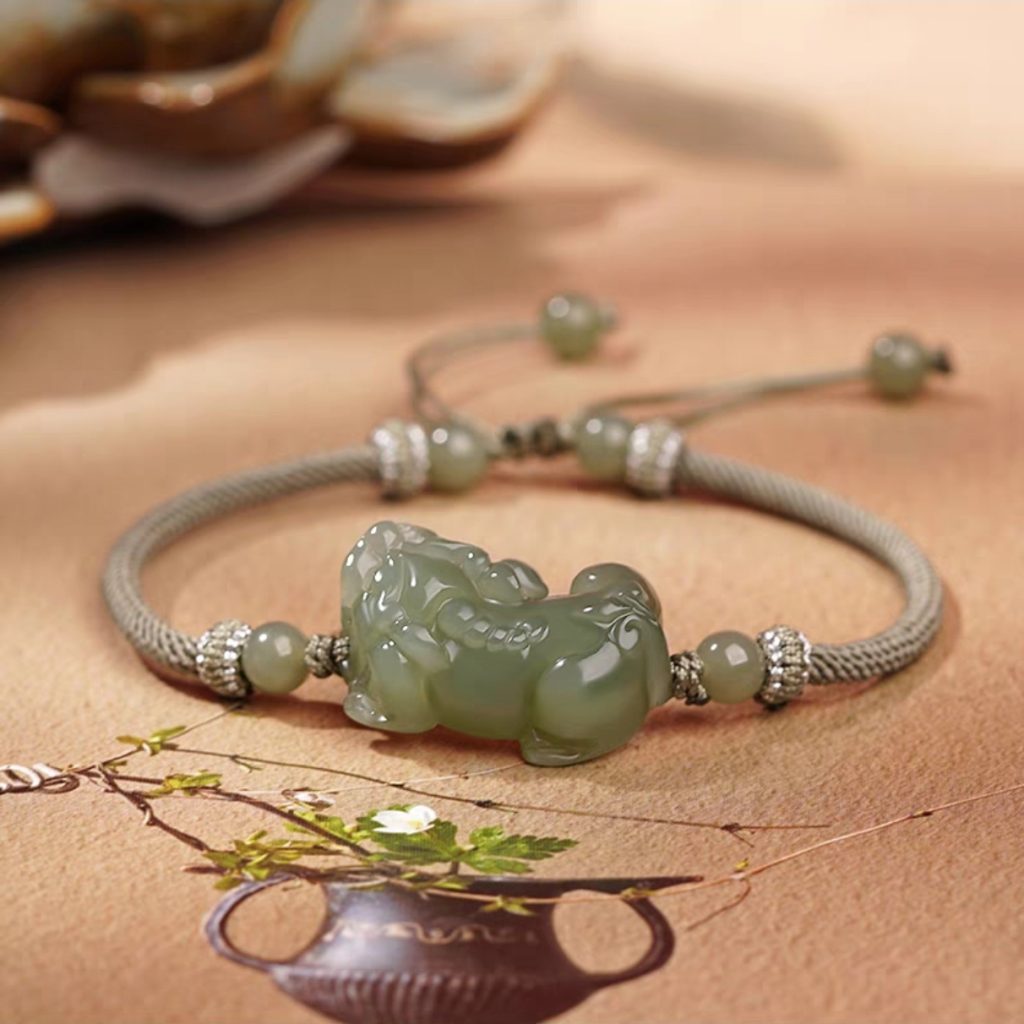
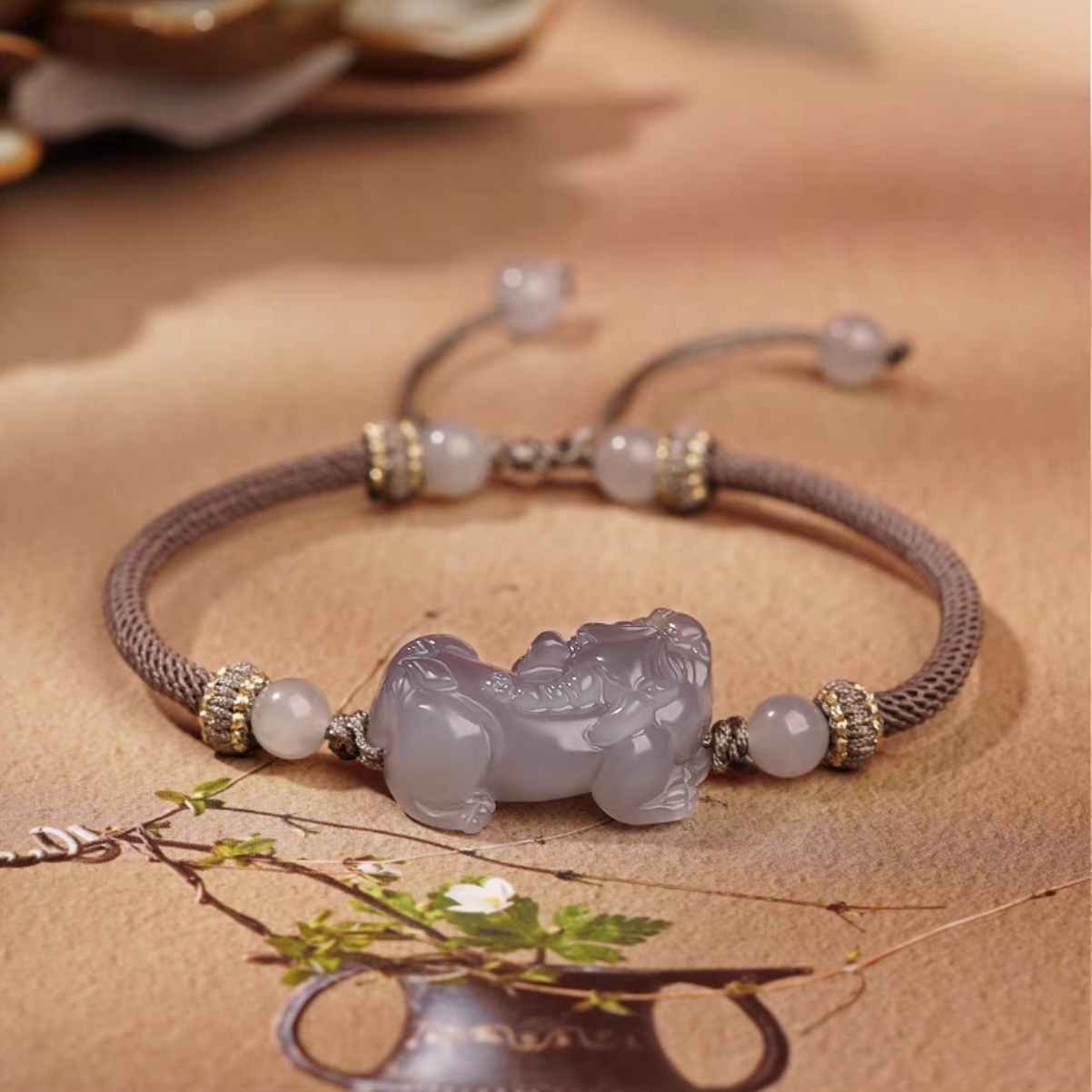
Pixiu is often read as a protective and wealth-gathering figure, but that does not make it an automatic money cure. For relationship symbolism, see the pair of Pixiu meaning guide.
Choose one symbol, not a collection
Many beginner rooms look weaker after feng shui changes because too many objects are added at once. A cleaner method is to choose one symbol for one intention and give it a clear place. If you cannot explain why an object belongs there, it probably does not need to be there.
| Intention | Better symbol choice | Placement test |
|---|---|---|
| Focus | Simple metal or clear desk object | Does it reduce visual noise? |
| Growth | Healthy plant or wood element | Can it actually thrive here? |
| Protection | Guardian or Pixiu symbolism | Is it placed respectfully and not in the way? |
| Calm | Soft color, water image, or textile | Does it make the room easier to rest in? |
How to review the placement after one week
Live with the placement for a week. If the object gathers clutter, feels distracting, or no longer connects to the intention, move it or remove it. Good symbolism should make a room easier to use, not harder.
FAQ
Which feng shui symbol should I put at home?
Start with the room’s purpose and your intention. Choose one symbol that supports that purpose instead of collecting many objects.
Where should feng shui symbols be placed?
Place them where they are visible, respectful, and connected to the room’s function.
Can a feng shui ornament attract money?
It can symbolize intention around money, but it cannot promise income or financial outcomes.
What is the biggest beginner mistake?
Buying objects before fixing clutter, light, flow, and usability.
This article keeps the useful symbol-selection idea from the older page while removing selection-heavy and promise-heavy language.
Leave a Reply