Updated 2026 combined zodiac guide with clearer calendar boundaries, example combinations, and responsible destiny-language limits.
Sacred art context
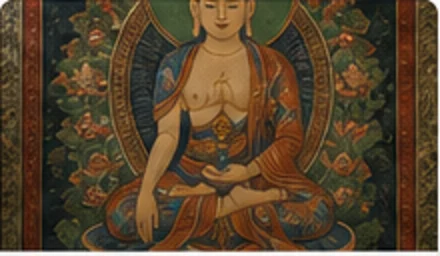
Buddha and Thangka symbols explained with cultural care
Use this archive to understand sacred art vocabulary before interpreting a single image too quickly. The best reading path is to notice the figure, gesture, color, setting, and craft context, then keep the limits of symbolic interpretation in view.
Quick answer
What this category answers
Buddha and Thangka guides explain visual symbols, sacred art vocabulary, figure roles, gestures, colors, and craft context with cultural care.
- Read for meaning: identify the term, symbol, sign, or visual detail first.
- Read for context: compare the article with the guide hub or a related archive.
- Read with limits: keep symbolic language separate from professional advice or certainty claims.
Reading notes: how to use this archive
Sacred art pages need a slower pace than simple symbol lists. Look for the role of the figure, the hand gesture, the surrounding objects, and the craft tradition before reducing the image to a single lucky meaning or personal shortcut.
Buddha and Thangka topics carry religious, artistic, and cultural layers. Read them with care: identify the visual element first, then ask what tradition it belongs to, what role it plays in the image, and what a respectful summary can and cannot claim.
Use these articles when you need vocabulary for a visual detail or sacred figure. A respectful reading should notice craft, setting, and symbolism together. When in doubt, prefer a slower cultural explanation over a quick personal prediction or a simplified lucky meaning.
Next step: choose one article from this archive, then compare it with either the main guide hub or a related category. That two-page path usually gives a stronger answer than reading a single symbolic note in isolation.
How this archive is organized
Each category page is meant to work like a mini reference desk. The first layer gives a short answer, the second layer gives reader checkpoints, and the article links provide examples. This helps search visitors move from a quick definition into a responsible reading path without treating one symbolic phrase as the whole answer.
Use the archive for comparison. Notice which terms repeat across articles, where the explanation is cultural rather than practical, and where the page asks you to keep limits in mind. That comparison is especially important for topics involving luck, compatibility, health language, sacred art, or personal identity.
Before opening an article, decide what kind of answer you need: a definition, a cultural background note, a practical placement idea, a visual symbol explanation, or a reflective prompt. After reading, return to this archive and compare at least one related page. That habit gives Google and human readers a clearer topical path, and it keeps the interpretation from depending on one headline alone.
How to use this archive
- Start with how Thangka paintings are made so the images are read as craft and tradition, not decoration alone.
- Compare common Buddha and guardian figures by role, gesture, and visual context rather than by promised results.
- Avoid using sacred imagery as a quick certainty claim; the articles are meant to build respect and recognition.
Reader checkpoints
- Which figure or gesture is being described?
- What craft or tradition explains the image?
- What should not be reduced to a quick meaning?
Common questions
- Where should I start? Start with the article that names your question, then compare it with the guide hub.
- Can I apply this directly? Apply it as reflection and cultural context, not as a certain result.
- What makes the answer trustworthy? Look for clear definitions, visible caveats, and links to related guide pages.
Related routes
-
How Thangka Paintings Are Made: Tibetan Sacred Art Guide
Updated 2026 guide to Thangka making, with clearer craft steps, iconography notes, material checks, and sacred-art boundaries.
-
Popular Buddha Thangka Types, Meanings, and Respectful Use
A complete 2026 guide to popular Buddha Thangka types, iconography, respectful display, identification order, and meaning boundaries for English-language readers.
-
Thangka Symbols Guide: Colors, Mudras, Deities, and Respectful Display
Learn how to read thangka symbols in cultural context, including colors, mudras, Buddhist figures, mandala structure, and respectful limits for home display.
-
Chinese Zodiac Guardian Buddhas: A Cultural Meaning Guide
Learn how the eight guardian Buddhas and bodhisattvas are linked with the Chinese zodiac in modern popular practice, with symbolism, context, and careful limits.