Quick answer
Feng shui is a traditional way to think about space, flow, symbolism, and intention. symbols can help organize meaning in a room, but they do not create certain wealth, health, or luck outcomes.
- Learn the basic idea before choosing symbols.
- Match placement to room use and comfort.
- Read energy language as tradition and reflection.
Feng shui is a traditional Chinese way of thinking about how people relate to place, direction, flow, and symbolic balance. In everyday home language, it asks whether a space feels blocked, chaotic, exposed, heavy, or supportive. It should not be sold as a promised cure for wealth, health, or relationships.
Last updated: July 7, 2026.
Key takeaways
- Feng shui starts with flow, balance, and how a space is used.
- Symbols such as Pixiu, coins, plants, and mirrors need context and placement.
- The five elements are a language for balance, not a magic formula.
- Good feng shui advice should be practical, modest, and culturally respectful.
2026 update: audit the room before naming the symbol
This July 2026 refresh makes the beginner order clearer. Feng shui should start with how the space actually feels and functions: entry, light, clutter, movement, rest, and attention. Symbolic objects can support an intention, but they should not be asked to solve a room that is physically blocked or uncomfortable.
| Room signal | First fix | Symbol comes after |
|---|---|---|
| Blocked entry | Clear shoes, boxes, and visual clutter | Protection or welcome symbol |
| Dark corner | Improve light or simplify the area | Growth or clarity symbol |
| Restless bedroom | Reduce glare, noise, and work cues | Calm color or soft material cue |
| Chaotic desk | Make one work surface usable | Focus symbol or metal element cue |
What changed in this refresh
The article now explains feng shui basics as practical spatial reading first and symbolic interpretation second, with clearer limits around wealth, luck, and “energy” promises.
Feng shui basics in plain language
National Geographic describes feng shui as a traditional Chinese practice concerned with harmonizing people and environments. In practical home reading, start with the visible space: light, clutter, doorways, sharp corners, and how easily people move. Symbolic objects come after the basics, not before them.
| Concept | Plain meaning | Practical check |
|---|---|---|
| Qi | Flow or life energy language | Can people move and breathe easily here? |
| Yin and yang | Balance of quiet and active qualities | Is the room too dark, too loud, too empty, or too busy? |
| Five elements | Wood, fire, earth, metal, water symbolism | Does the room need warmth, calm, growth, clarity, or softness? |
| Command position | Feeling supported while seeing the entrance | Can a desk or bed be placed with more visual security? |
Common feng shui symbols
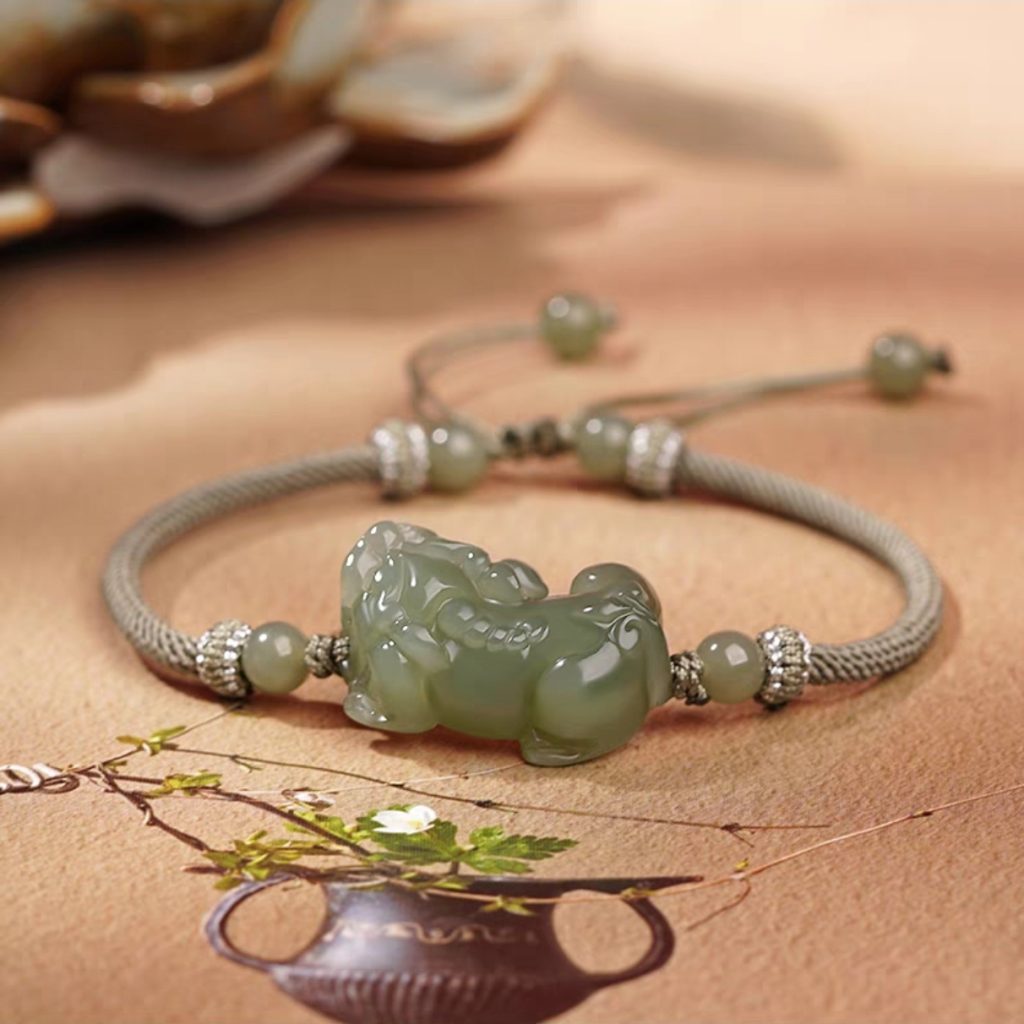
Symbols work best when they reinforce an intention already supported by behavior. Pixiu may represent protection and wealth gathering; coins may represent continuity and exchange; plants may represent growth; mirrors may redirect attention or light. None of them creates certain results by itself.
Where beginners should start
Start with one room. Clear blocked pathways, improve light, remove broken items, and make the entry feel intentional. Then choose one symbol only if it has meaning in that location. If you want to compare symbols, read how to interpret feng shui symbols for your home.
A beginner feng shui room audit
Before adding symbols, audit the room itself. Feng shui becomes more practical when you look at what people actually experience: the first view from the door, the walking path, the light, the noise, and whether the room supports its purpose.
| Audit point | Question | Simple improvement |
|---|---|---|
| Entry | What do you see first? | Clear clutter and make the first view calm |
| Path | Can people move easily? | Remove blocked or awkward routes |
| Light | Is the room too dim or harsh? | Add softer light or open curtains |
| Purpose | Does the room support what happens there? | Remove objects that fight the room’s use |
Where symbols fit after the basics
Once the room works, choose a symbol that reinforces one intention. A plant can remind you to care for growth. A clean metal bowl can remind you to keep a desk clear. A Pixiu figure can represent protection or resource care. The symbol should follow the room’s function.
FAQ
What is feng shui in simple terms?
It is a traditional practice for reading and arranging space through flow, balance, direction, and symbolism.
Do feng shui symbols really work?
They can support intention and attention, but they should not be treated as promised causes of wealth, health, or love.
What should beginners fix first?
Clutter, blocked pathways, poor light, broken objects, and uncomfortable furniture placement.
Is feng shui a religion?
Feng shui is usually discussed as a traditional spatial practice. It can overlap with cultural and spiritual beliefs depending on the practitioner.
This update shifts the article from “best symbols for good karma” toward a practical beginner guide with clear claim limits.
Leave a Reply