Tag: entryway feng shui

  • Entryway Feng Shui: Foyer Rules for Light, Flow, and Calm

    Intro direct answer

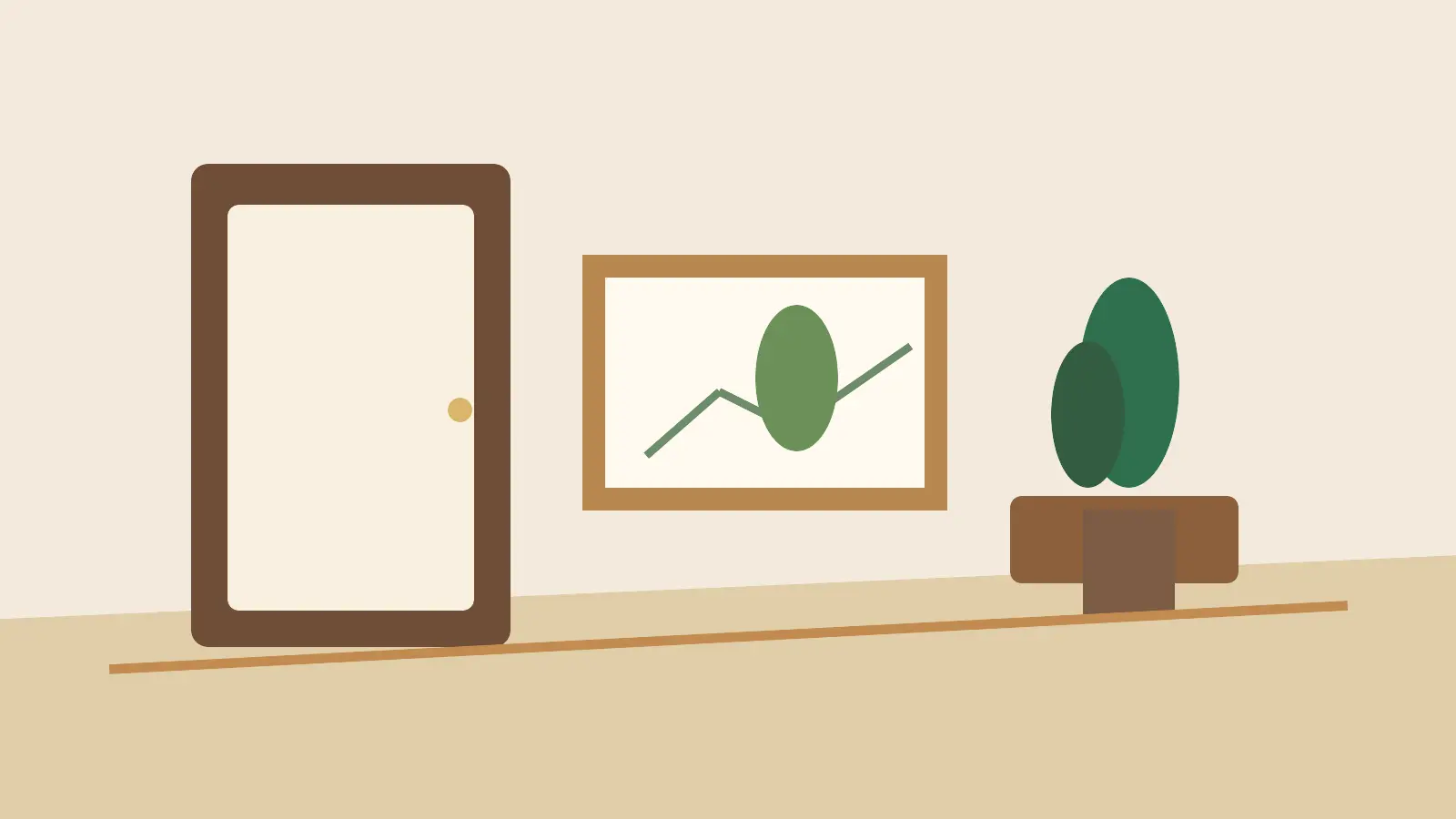
    Warm modern entryway with a plant, tray, lamp, and clear walking path for feng shui guidance
    A good entryway usually starts with light, a clear landing place, and a path that feels easy to enter.

    Direct answer: Good entryway feng shui is less about buying a lucky object and more about what happens in the first ten seconds after you open the door. A useful foyer is bright enough to see, clear enough to walk through, and simple enough that keys, shoes, bags, and mail do not become the first message of the home. Traditional feng shui calls this the arrival of qi. In everyday language, it is the way the entrance sets your body and attention before you enter the rest of the house.

    The Chinese-language clues collected today kept circling around the same idea: the entrance should feel clean, settled, and easy to use. I rewrote those clues as a practical guide for overseas readers. There are no promises of wealth or luck here. The point is to make the front door work better as a threshold. For the larger site map, start with the Feng Shui Guides hub.

    Key takeaways

    • Keep the landing zone clear. A foyer should give you a place to pause, not a pile to step around.
    • Light matters more than symbolic clutter. A lamp, clean wall, or tidy plant often does more than several charms.
    • A mirror can work in an entryway when it reflects light or art. It feels awkward when it reflects clutter, the door swing, or a cramped hallway.
    • Use scent carefully. Incense, candles, and diffusers are optional, and smoke needs ventilation and fire safety.
    • Treat traditional rules as prompts for observation, not as threats.

    What entryway feng shui is really about

    An entryway is the handshake between the outside world and the private home. In feng shui language, the front door is often treated as the main mouth of qi. That image sounds mystical, but the practical reading is simple: the door is where air, light, visitors, deliveries, and daily habits enter.

    Traditional Chinese home thinking often linked orientation, wind, water, sunlight, and building materials. The University of Washington notes on Chinese home orientation and feng shui explain that south-facing homes were valued partly for sunlight and wind exposure, and that feng shui developed around wind and water as a way to read place. You do not need a historical courtyard house to apply the basic observation. Ask what the entry receives and what it sends into the rest of the home.

    A cramped, dark, or overloaded entrance tells your body to hurry and manage mess. A clear one lets you slow down. That is why many old foyer rules point toward the same modern habits: reduce obstacles, soften harsh sightlines, improve light, and make the first storage decision easy.

    The five-part foyer check

    Use this table before buying anything. It turns the common "good energy" idea into visible checks.

    Entryway element What to check Traditional reading Practical fix
    Door swing Can the door open fully without hitting shoes, parcels, or a cabinet? Qi should enter without obstruction Move bulky storage off the swing path
    First view What is the first object you see from the doorway? The first view sets the tone of the home Let it be a clean wall, art, plant, lamp, or tidy console
    Floor landing Is there a dry, clear place to step in? Muddy or blocked qi feels unsettled Add a washable mat and one shoe zone
    Light Can you see faces, keys, and steps clearly? Bright entry supports open qi Use a warm bulb, side lamp, or reflective surface
    Drop zone Where do keys, mail, bags, and masks go? Scattered objects scatter attention Use one tray or drawer, not five baskets

    The strongest fix is usually the least dramatic one. Clear twenty inches of walking space. Replace a dim bulb. Keep only daily shoes by the door. If the entryway gets better, the feng shui reading gets better too.

    Mirrors and first sightlines

    An entryway mirror is useful when it helps you check yourself before leaving or bounces light into a narrow hall. It becomes less useful when it doubles clutter, points straight at the open door, or makes the entrance feel like a visual ricochet.

    Some feng shui schools avoid a mirror facing the front door because it appears to push incoming qi back out. A modern reading is less absolute. Stand outside, open the door, and notice what the mirror sends back at you. If you see shoes, storage, a bathroom door, or a sharp glare, change the angle. If you see a calm wall, a plant, or soft light, the mirror may be doing useful work.

    For bedroom-specific mirror concerns, use the bedroom mirror feng shui guide. Entryways and bedrooms have different jobs. The foyer is allowed to be alert. The bedroom should settle down.

    Plants, scent, and symbolic objects

    A plant near the entrance can make the foyer feel alive, but it should not block the door or turn the threshold into a maintenance problem. Choose a plant that matches the light you actually have. A struggling plant is not a good symbol, and it is not a good object to live with.

    Scent is similar. A faint clean smell can help the entry feel cared for. Heavy incense, constant smoke, and unattended candles create different problems. The National Academies report on indoor particulate matter sources notes that indoor particles come from both outdoor air and many indoor activities. If you burn incense or candles, ventilate the space and use them briefly. The NFPA candle safety guidance is a useful baseline: treat candles as open flames and keep them away from anything that can burn.

    Symbols can still have a place. A gourd, coin motif, landscape print, or simple bowl can mark the entrance as intentional. The boundary is important: a symbol should support the room, not sell you a promise. For that broader language of qi and symbolic objects, read what feng shui means in a home.

    A 15-minute entryway reset

    Set a timer and make only changes you can keep.

    1. 1. Remove everything that does not belong by the door.
    2. 2. Put daily shoes in one defined place. site occasional shoes elsewhere.
    3. 3. Clear the door swing and the first two steps inside.
    4. 4. Wipe the door handle, mat, console, and mirror.
    5. 5. Check the light at night, not only in daylight.
    6. 6. Choose one focal point: a plant, lamp, picture, or small tray.
    7. 7. Stop before the area becomes decorated instead of usable.

    This reset works because it is physical. It does not depend on a perfect compass reading or a new object. You are changing how the entrance receives you.

    FAQ

    What should be placed in an entryway for good feng shui?

    Start with light, clear walking space, a clean mat, and one landing place for keys or small items. Add a plant or symbol only if it fits the space and stays easy to maintain.

    Is it bad feng shui to see the stairs from the front door?

    Some schools read a direct stair view as fast-moving qi. A practical fix is to slow the sightline with lighting, art, a runner, or a small console if space allows. Do not block the walkway.

    Can I use incense in the entryway?

    Yes, but keep it brief and ventilated. Do not use smoke to cover a cleaning or moisture problem, and never leave flame or hot ash unattended.

    Where should I read next?

    Use the Feng Shui Basics category for beginner room layout guides.

    Content statement

    Content statement: This article treats feng shui as cultural symbolism and home-layout reflection. It does not promise wealth, health, romance, safety, or a change in fate.

  • Bedroom Mirror Feng Shui: Placement Rules Without Fear

    Direct answer: A bedroom mirror is not automatically bad feng shui. The placement starts to matter when the mirror reflects the bed, catches movement at night, exposes a private corner, or makes the room feel visually noisy. In plain terms, the best bedroom mirror usually sits where you can use it while getting dressed, then forget it is there when you rest.

    Feng shui compass, coins, and guide book on a calm desk for a home layout guide
    Traditional feng shui tools can be used as cultural context while the bedroom decisions stay practical.

    That reading fits the cultural side of feng shui and the ordinary side of room comfort. Feng shui talks about qi moving through a space. A modern renter may describe the same problem as glare, clutter, a bad sightline, or the uneasy feeling of seeing a reflection from bed. Both point to the same practical question: does the mirror make the bedroom calmer or busier?

    This guide grew from several Chinese-language social clues about bedrooms, entryways, and mirrors. The claims were rewritten from scratch, stripped of scare language, and checked against safer public sources. If you want the broader map before fixing one mirror, start with the Feng Shui Guides hub.

    Key takeaways

    • Do not treat a mirror as dangerous by itself. Judge what it reflects and how it feels from the bed.
    • A mirror facing the bed is the most common concern because it adds movement, light, and a second image to a room meant for rest.
    • An entryway mirror can be useful when it opens the space, but awkward when it bounces the door view straight back out.
    • Small fixes usually work: change the angle, move the mirror inside a closet door, or cover it at night.
    • Skip fear-based cures. A calm layout beats buying symbolic objects you do not understand.

    What the mirror rule is trying to protect

    The old mirror rule is mainly trying to protect rest, privacy, and the feeling that the room can settle down at night.

    In traditional language, feng shui is about wind, water, orientation, landform, and the movement of qi through place. The University of Washington Chinese civilization notes on fengshui describe it as a Chinese practice concerned with how spaces are coordinated and interpreted. A mirror complicates that reading because it doubles what it sees. It can seem to pull a doorway into the room, repeat a messy corner, or make a window feel brighter than the sleeper wants.

    You do not need to accept every folk explanation to use the rule well. Stand at the bed and look around. If the mirror reflects your face, the door, a sharp corner, a busy desk, or a bright window, the room may feel more alert than restful. If the mirror is off to the side and only helps you dress, it is probably doing its job.

    For more background on how symbols and qi are handled on this site, read what feng shui means in a home.

    Bedroom mirror placements that usually work

    The safest mirror position is useful in daytime and quiet at night. The table below gives a practical reading.

    Mirror position Traditional concern Practical reading Best fix
    Directly facing the bed Too much reflected qi around rest It can catch movement or light when you wake up Move it, angle it, or cover it at night
    Facing the bedroom door Qi bounces back toward the entrance The room may feel exposed from the doorway Shift it to a side wall
    Beside a wardrobe Usually acceptable if it is not facing the bed Useful for dressing and low visual stress Keep the reflected area tidy
    Inside a closet door Hidden when not in use Good for small bedrooms Close the door before sleep
    Reflecting a window Light or outside movement feels doubled May add glare at night or morning brightness Change angle or add curtains
    Entryway mirror near the front door The first view of the home shapes arriving qi Useful if it brightens the entrance, awkward if it reflects clutter or the door too sharply Reflect art, light, or a clean wall instead

    A quick room test before you move anything

    Test the mirror from the place where the room matters most: the bed.

    1. Lie down where you normally sleep and look toward the mirror.
    2. Notice the first thing it reflects: your body, the door, a window, a desk, storage, or a blank wall.
    3. Turn off the main light and check again with a bedside lamp or hallway light.
    4. If the reflection feels busy, angle the mirror five to ten degrees before moving furniture.
    5. Try the new setup for several nights before deciding it has to be changed again.

    This keeps the fix grounded. Feng shui is often taught as a list of prohibitions, but a small apartment does not always have a perfect wall. The goal is a bedroom that feels protected enough to rest in, not a room arranged to satisfy a chart while annoying the person who lives there.

    Fixes to avoid

    Avoid any fix that adds danger, clutter, or fear to the room.

    Do not burn candles under or beside a mirror as a “cure.” The NFPA candle safety guidance treats candles as open flames that need clear space away from things that can burn. Do not hang coins, charms, or talismans on a mirror just because a short video says they represent wealth symbolism. If you use a symbolic object, understand what it means and keep the layout calm.

    The most reliable fixes are ordinary: move the mirror, soften the reflection, improve curtains, clear the entryway, and keep the bed visually anchored. Those changes do not promise luck. They make the room easier to live in.

    FAQ

    Is a mirror facing the bed always bad feng shui?

    No. It is a common caution, not a universal disaster. If the reflection does not disturb you and the room feels calm, you may not need to change it.

    What if I cannot move the mirror?

    Try angling it, using a curtain, or keeping it inside a wardrobe door. A temporary cloth cover at night is better than forcing a furniture layout that blocks movement.

    Can an entryway mirror face the front door?

    Some schools avoid it because the mirror appears to send incoming qi back out. A practical test is simpler: if the mirror reflects clutter, harsh light, or a cramped door swing, move it. If it reflects a clean wall or art and helps the entry feel open, it may work.

    Where should I read next?

    Use the Feng Shui Basics category for more beginner room layout guides.

    Content statement: This article explains feng shui as cultural symbolism and home-layout reflection. It does not promise wealth, health, romance, or a change in fate.